Book direct from the host·Hosts keep 100%·No commission, no feesBook direct · Hosts keep 100% · No fees

0 properties available
Reykjanes is the peninsula that points southwest from Reykjavík toward the open Atlantic. It is the first part of Iceland most travellers actually touch (Keflavík airport sits on it) and, since 2021, the most volcanically active. There have been twelve eruptions on the peninsula since March 2021, mostly clustered around Fagradalsfjall and the Sundhnúkur crater row, with the most recent ending on August 5, 2025. The eruption sites have been short-lived (days to weeks) and tightly localised; air traffic, the Ring Road, and the rest of the country are unaffected.
The practical effect is that Reykjanes is now the easiest place in Iceland to walk on truly fresh lava. Some of the rock you cross on the marked trails is younger than your phone.
Volcanic activity changes the access status month by month. As of late summer 2025, the most recent eruption site (the Sundhnúkur fissure north of Grindavík) is closed to direct visitor access, viewable only from designated viewpoints. The earlier 2021 to 2023 Fagradalsfjall site is open and walkable, with the same head-of-the-trail rules as any Icelandic volcano: stay on the path, do not climb the lava (it stays hot for years), and check safetravel.is the morning of your visit.
The town of Grindavík has reopened to visitors, the Blue Lagoon is open, and Northern Lights Inn is operating again. Some roads in the immediate Grindavík area are subject to short-notice closure if seismic activity picks up; road.is publishes the closures live.
The peninsula's other landmarks, away from the eruption corridor, have been continuously open:
Most houses on the peninsula itself are around Reykjanesbær (the umbrella name for Keflavík and Njarðvík), with smaller clusters around Grindavík and Vogar. The right base depends on what you want from the trip:
The peninsula is the most weather-resilient part of Iceland because it is low-lying and coastal: snow is shallower, roads are usually open, and the airport-to-attractions corridor has the country's most reliable infrastructure. Year-round.
The aurora window (late September to mid-March) is good here despite the light pollution near the airport, because the southern coast and the lighthouse area are dark. The Blue Lagoon under aurora is the cliche shot for a reason.
Skipping the peninsula entirely as "just the airport." Half a day on Reykjanes, on the way out at the end of a longer Iceland trip, is genuinely worth the time. The fresh lava fields are an experience nowhere else in the country can give, and the geothermal stops on the southern coast are quiet on a Tuesday in shoulder season.
The other mistake is assuming the recent eruptions make Iceland unsafe. They do not. The activity has been tightly localised, the Civil Protection authority publishes clear guidance, and the rest of the country (the Ring Road, the airport, the cities) has been unaffected throughout. Check safetravel.is for the latest, and ask a local if you are unsure.
We don't have houses in Reykjanes Peninsula yet.
Browse all housesThe named places worth driving to from a summerhouse base.
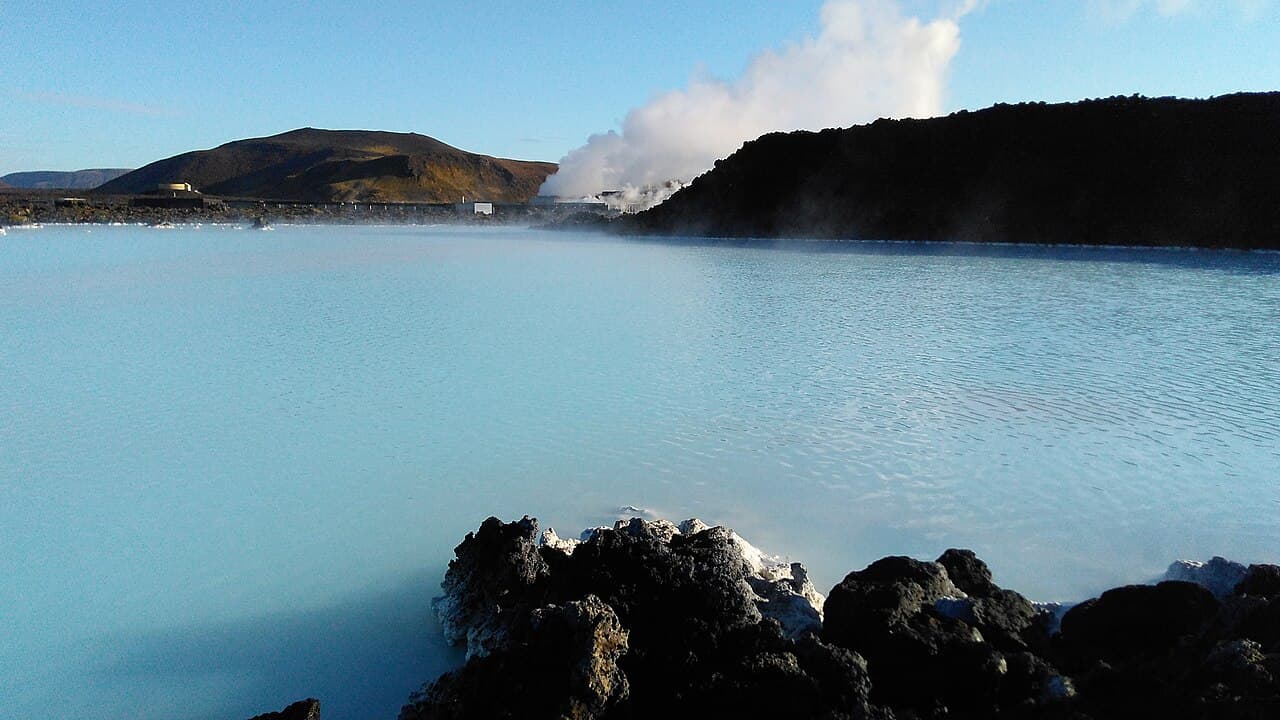
Iceland's most famous geothermal spa, with milky-blue mineral-rich waters fed by the nearby Svartsengi power station. Pre-booking essential.
A small footbridge across a fissure between the North American and Eurasian tectonic plates on the Reykjanes peninsula. Quick stop, free, and the closest you can get to standing in two continents at once.
A hissing geothermal area near the southern tip of the Reykjanes peninsula, with the country's largest mud pool and steam vents. Walkways keep you safe from the boiling ground; the smell of sulfur is part of the experience.
Iceland's oldest lighthouse, on a cliff at the southwestern tip of the Reykjanes peninsula. Often paired with Gunnuhver and Brimketill on a single half-day loop from Keflavík.
A natural lava rock pool on the southern Reykjanes coast, fed by sea spray on a windy day. View it from the platform above; climbing down is dangerous because of the surf.